Loading...
Serving Monrovia, CA and surrounding areas. (626) 263-8355
Old fence past its life? We remove everything, set new posts deep in Monrovia clay soil, handle the permit, and leave your yard clean when we are done.
Fence replacement in Monrovia means removing your old fence completely - posts, panels, and all - pulling the City of Monrovia permit, installing new posts in deep concrete footings sized for the clay-heavy soil here, and most residential jobs take one to three days from start to finish. It is not a patch job or a repair; the crew starts fresh from the ground up.
The most common reason fences fail prematurely in this area is posts that were not set deeply enough for the soil conditions. Monrovia sits at the base of the San Gabriel Mountains, and the clay soil expands and contracts with every wet and dry season - that movement works against shallow posts year after year until they lean or crack. A properly set post goes in at least one-third of its total length underground, with concrete around the base. If your fence has developed visible leaning or sections that move when you push them, that is a post problem, not a board problem. Our fence repair team can also assess whether your existing posts are still sound before you commit to a full replacement.
Call or send us a message and we will respond within 1 business day to schedule a free on-site estimate.
If your fence is no longer standing straight, or if whole sections are tilting away from the posts, the posts themselves have likely failed. In Monrovia's clay-heavy soil, this often happens gradually over years as the ground shifts with wet and dry seasons. Leaning fences rarely get better on their own and usually need full replacement rather than repair.
After a strong Santa Ana wind season, walk your fence line and look for boards that are cracked through, soft to the touch, or missing entirely. One or two damaged boards might be a repair job, but widespread damage - especially if the posts are also compromised - usually means it is time to start fresh. A fence weakened by wind is more vulnerable to the next storm.
Most wood fences in Southern California have a realistic lifespan of 15 to 20 years, even with good maintenance. If your fence was installed when you bought the house and you are not sure of its age, look for gray or darkened wood, soft spots near the base of posts, and gaps where boards have shrunk. Age alone is not always a reason to replace, but it is a reason to have a contractor take a look.
If a neighbor has mentioned that your shared fence is failing, or if your HOA has sent a notice about fence condition, that is a clear signal to act. In Monrovia, shared fences are typically a joint responsibility under California law, which means waiting too long can create friction and cost more in the long run. Addressing it proactively keeps the relationship and your property in good shape.
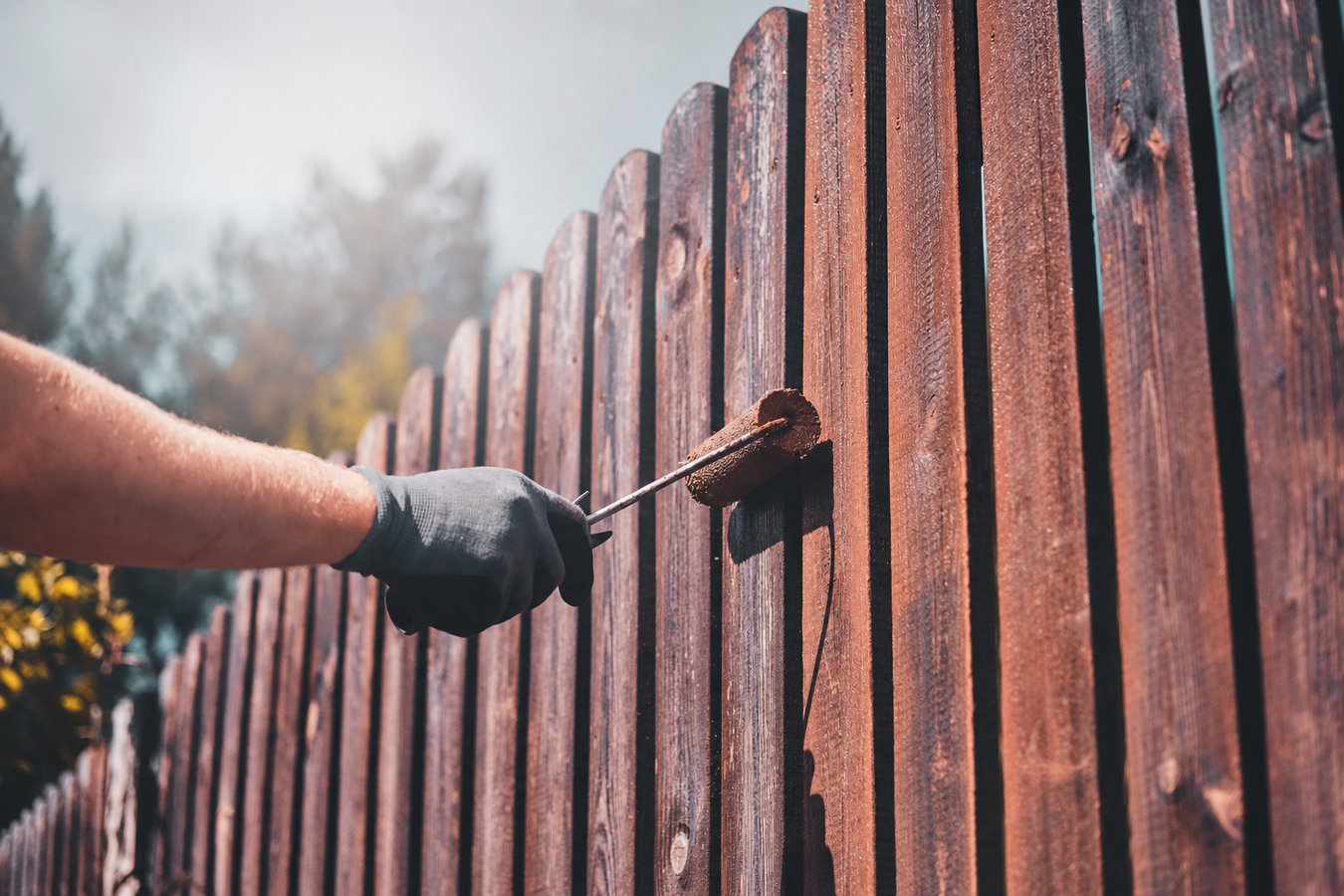
The right material comes down to how much maintenance you want to do over the next 15 to 25 years. Wood is the most common choice in Monrovia's residential neighborhoods and gives a classic look, but it needs periodic sealing or painting to hold up against the intense Southern California sun and dry heat - our wood fence installation team handles new wood fences with posts set specifically for clay soil. Vinyl and aluminum require almost no maintenance and resist the elements well, but they cost more upfront. Knowing how much time and money you want to spend on upkeep over the years is the most useful way to pick a material.
Every replacement project includes removal and full disposal of your old fence - you will not be left with a pile of boards or concrete chunks when we leave. We review your property boundaries before the first post goes in to avoid any dispute about fence placement, and we pull the City of Monrovia permit on your behalf so the finished installation is legal and on record. We serve Arcadia and Duarte with the same permit-included approach. The American Fence Association provides guidelines on installation best practices that we follow for post depth, concrete footings, and material selection.
Classic residential look with posts set deep for clay-soil conditions - best for homeowners who plan to seal and maintain the fence.
Low-maintenance option that resists UV fading and moisture - no painting, no sealing, and a long service life in the San Gabriel Valley climate.
Lightweight and rust-resistant with a finished look - a good fit for front yards and HOA-governed neighborhoods that allow ornamental styles.
Full teardown of existing posts, panels, and hardware - everything hauled away so your yard is clean when installation begins.
We handle the City of Monrovia permit application and coordinate the required inspection so the finished fence is fully on record.
We review your property survey or locate your pins before any post goes in to make sure the new fence sits exactly where it should.
Monrovia sits at the base of the San Gabriel Mountains, which means it gets hit hard by Santa Ana winds every fall and winter. Those powerful gusts can snap fence boards, blow over entire panels, and loosen posts that were not set deeply enough. When you replace your fence, asking your contractor specifically how they account for wind load makes a real difference in how long your fence lasts here. Deeper posts and heavier hardware are not optional in this part of the valley - they are what separates a fence that stands for 20 years from one that leans after the first bad wind season. Homeowners in nearby Arcadia and Duarte face the same wind corridor and benefit from the same installation approach.
The soil is the second major factor. Much of Monrovia - especially in older neighborhoods closer to the foothills - contains clay that swells when wet and shrinks during dry spells. That movement puts stress on fence posts over years and is one of the main reasons fences lean or fail prematurely here. A contractor who understands local soil will use the right post depth and concrete mix to give your fence the best chance of staying straight. Monrovia also has a lot of mature trees and established landscaping, particularly in neighborhoods built before 1970. Tree roots can make post-digging difficult and can push against fence posts over time - walking the fence line with your contractor before work begins and flagging any spots where roots might be an issue is worth the few minutes it takes. The LA County Assessor maintains property records and plat maps that help establish exactly where your legal property line sits before installation begins.
We walk the fence line with you, note the length, material, terrain, and any complications like roots or slopes, and give you a written quote that spells out exactly what is included - removal, materials, labor, permit fees, and cleanup. Most estimates are returned within 1 business day. Getting a written quote from us and at least one other local contractor is a fair way to check market pricing.
Once you choose us, we handle pulling the required permit from the City of Monrovia's development services office before any work begins. If your neighborhood has an HOA, this is also when we help you put together the documentation your association needs for approval. This step can take a few days to a couple of weeks, so we build it into the timeline from the start.
The crew removes the old fence completely - boards, posts, and all hardware. Old posts set in concrete take extra time to pull out, and if there are tree roots in the way, the crew works around them carefully. By the end of this phase, the fence line is open - that is normal and temporary. All old materials are hauled away before we leave for the day.
New posts go in first, set into the ground and secured with concrete. Rails and panels follow, working the full fence line. When the work is done, we walk the finished fence with you and address any questions before we leave. The city inspector signs off on the permit - we schedule that and handle it. Your yard is clean when we are finished, not a project site you have to manage.
Written quote, no obligation. We walk your fence line with you and explain exactly what needs to happen.
(626) 263-8355Every replacement project uses post depths and concrete footings calibrated for this area's clay soil movement and Santa Ana wind conditions. That is not a selling point - it is the baseline requirement for a fence that stays straight and standing for the life of the installation.
We pull the City of Monrovia permit before any work starts and confirm property boundaries so your fence is exactly where it belongs. These two steps protect you from the two most common and costly post-installation problems: an unpermitted fence flagged at sale and a boundary dispute with a neighbor.
We have worked on fences throughout the city since 2018 - from hillside lots north of Foothill Boulevard to the older neighborhoods near Myrtle Avenue. That local track record means we know what the soil is like in different parts of town and what the permit office requires, which saves time and avoids surprises during your project.
Old fence boards, posts, concrete chunks, and hardware are hauled away as part of every replacement project - not left in a pile for you to deal with. When we finish, your yard looks like a new fence was just installed, not like a demolition happened. That is the standard we hold ourselves to on every job.
Every one of these commitments comes from working in Monrovia long enough to know what goes wrong when corners are cut. The permit, the post depth, the boundary check, and the cleanup are not add-ons - they are how we do the work on every project.
New wood fence installation with posts and footings set for Monrovia's clay soil and wind conditions.
Learn MoreIf your posts are still solid, targeted repair can extend your fence's life without the cost of full replacement.
Learn MoreWith Santa Ana season around the corner, now is the right time to get a solid fence in the ground.