Loading...
Serving Monrovia, CA and surrounding areas. (626) 263-8355
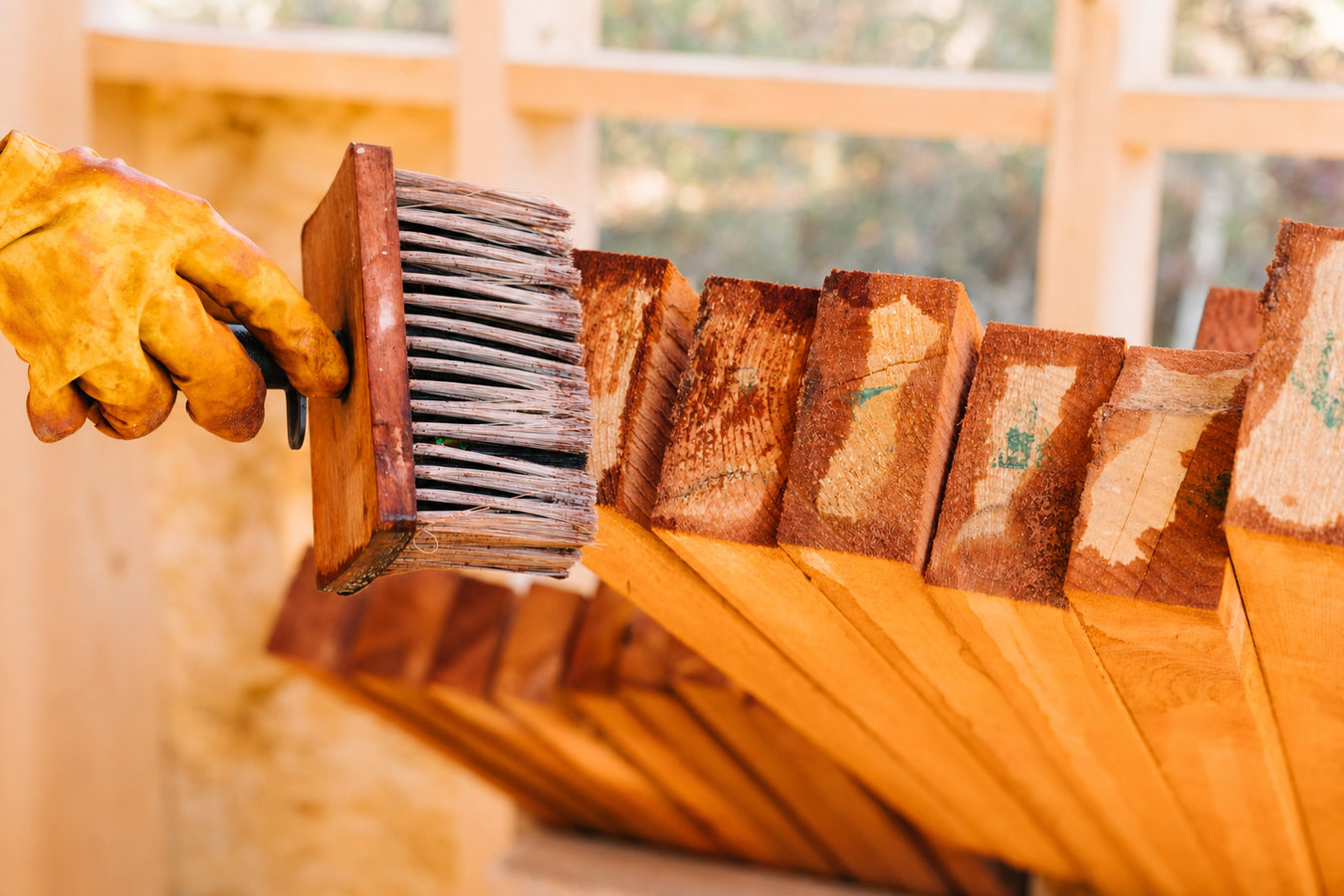
Monrovia sun fades and dries out wood fast. We clean, prep, and apply UV-rated stain and sealer so your fence holds its color and stays solid through every Santa Ana season.
Fence staining and sealing in Monrovia means cleaning the wood surface thoroughly, removing mildew and old flaking product, then applying a UV-rated stain or sealer that bonds into the wood fibers and slows the graying, cracking, and splintering that the San Gabriel Valley sun causes. Most residential fences can be done in a single day once prep is complete.
Wood fences here go through a damaging cycle: intense UV exposure in summer, dry Santa Ana winds in fall, and wet spells in winter that keep the wood damp for days at a time. That cycle breaks down unprotected wood faster than most homeowners expect. Staining and sealing interrupts that process before it reaches the boards and posts. If your fence has boards that are already soft or cracked through, those need attention first - our fence replacement team can assess whether refinishing or replacing makes more sense for your specific situation.
Reach out by phone or form and we will respond within 1 business day to schedule a free on-site estimate.
When wood loses its natural color and goes dull gray or silver, the protective oils have dried out and the surface is exposed. In Monrovia's high-UV environment, this can happen within a year or two on fences that face south or west. The wood is not ruined at this stage, but it needs attention soon before cracking and splintering follow.
Splash a cup of water on your fence. If it soaks in immediately rather than beading up and rolling off, the sealer has worn out and the wood is absorbing moisture directly. In Monrovia, where winter rains can be followed immediately by drying Santa Ana winds, unprotected wood goes through a damaging wet-dry cycle that speeds up deterioration noticeably.
Small cracks running along the grain - called checks - are a sign the wood has dried out and is starting to break down. If you catch a splinter on your hand just by running it along the fence, the surface has already degraded past basic maintenance. Staining and sealing now can stop the damage from getting worse, but waiting longer may mean replacing boards instead of just refinishing them.
Black or green patches on your fence are mildew or algae, and they thrive in shaded spots where Monrovia's mature oak and sycamore canopy keeps moisture from evaporating. Left alone, mildew works its way into the wood fibers and weakens them from the inside. A proper cleaning followed by a fresh seal with mildew-resistant product will stop the growth and protect the wood going forward.
The right product depends on what your fence looks like and what you want it to look like when we are done. Semi-transparent stain lets the wood grain show through and is the most popular choice for fences in good condition - it looks natural and still protects well. Solid stain covers the grain completely, similar to paint, and is usually the right call when the wood has visible weathering or discoloration the homeowner wants to hide. Neither is the wrong choice - it comes down to your preference and, in many cases, what your HOA allows. For homeowners who need a new fence before we can refinish it, our wood fence installation team handles that first step and can schedule the staining to follow shortly after.
Every job starts with a thorough pressure wash to remove dirt, mildew, organic debris from nearby trees, and any old flaking product. The fence dries fully before we apply anything - typically 24 to 48 hours - because stain applied to wet wood will peel within months. We use products chosen for UV resistance in the Arcadia and Duarte area climate, with built-in UV blockers that slow the breakdown of wood fibers under the intense San Gabriel Valley sun. For authoritative guidance on wood protection, the U.S. Forest Service Forest Products Laboratory publishes research on wood coating performance in high-UV environments.
Shows the wood grain while adding UV protection - best for fences in solid condition that still have good color.
Full coverage for weathered or discolored wood - gives a uniform finish and covers surface imperfections.
Invisible protection that repels water and slows UV breakdown without changing the wood's appearance.
Full cleaning of mildew and algae before any product goes on - essential for fences under Monrovia tree canopy.
Removes dirt, old flaking product, and organic debris so the new stain bonds to clean, dry wood.
We confirm your HOA's approved color list before starting so the finished result meets association requirements the first time.
Monrovia gets over 280 sunny days per year, and the UV levels in the San Gabriel Valley are among the highest in the continental United States. That is the primary reason wood fences here gray out and crack faster than in most other parts of the country. A basic hardware-store sealer that works fine in Seattle or Chicago will wear out in 12 to 18 months here under the same conditions that require replacement every three to four years in a milder climate. We choose products specifically rated for Southern California UV exposure - similar in principle to how sunscreen with a higher SPF gives you longer protection on a hot summer day. Homeowners in Arcadia and Duarte face the same conditions and benefit from the same approach.
The tree canopy in Monrovia's older neighborhoods adds a second challenge. Mature oaks, sycamores, and jacarandas drop leaves, seed pods, and sap onto fences throughout the year, and that organic debris traps moisture against the wood and feeds mildew. A fence under a large tree needs more thorough cleaning before staining than a fence in an open yard - skipping that step means the mildew comes right back under the new coat. Santa Ana winds bring a third factor: they pull moisture out of unprotected wood very quickly, leaving boards brittle and prone to cracking. Getting your fence stained and sealed before that fall window closes gives the wood a fresh layer of protection right before the most damaging stretch of the year begins. The University of California Cooperative Extension has published guidance on wood preservation in California's climate zones that supports this approach.
When you reach out, we ask a few basic questions - how long your fence is, what it is made of, when it was last treated, and whether you have HOA requirements. We schedule a quick in-person look before giving you a firm price, because the condition of the wood makes a real difference in how much prep work is involved. You receive a written estimate that breaks out cleaning, prep, and application separately.
We check the forecast before locking in your date. The fence needs to be dry before work begins and stay dry for at least 48 hours after the sealer goes on. If rain is in the forecast or Santa Ana winds are expected to kick up dust, we suggest a different window rather than rush the job. Most estimates are returned within 1 business day.
The crew pressure-washes the fence to remove dirt, mildew, old flaking product, and any organic debris from nearby trees. After cleaning, the fence dries completely - typically 24 to 48 hours - before any stain or sealer is applied. Applying product to wet wood is the single most common reason fence staining jobs fail early.
Once the fence is clean and dry, the crew applies the stain or sealer in even coats using brushes, rollers, or a sprayer depending on the fence style and product. We walk the fence line with you before we leave and touch up anything that looks uneven on the spot. We also leave you a written summary of the product used, the date of the job, and a realistic timeline for when to reapply given Monrovia's climate.
Free written estimate, no pressure. We respond within 1 business day.
(626) 263-8355We apply stains and sealers rated for Southern California sun intensity, not general-purpose products that wear out in 12 to 18 months under this area's UV load. The difference shows up in how long your fence holds its color and stays protected between treatments.
Thorough cleaning, mildew removal, and complete drying before application is how we deliver results that last. Cutting the prep short is the most common reason fence staining jobs fail early, and it is a step we will never skip regardless of scheduling pressure.
Many Monrovia neighborhoods have HOA rules about fence colors and finishes. We help you confirm what your association allows before we start so you are not left with a fence that passes inspection but fails your HOA review. Getting that right the first time saves real money and frustration.
When we finish, we give you a simple written record of the product applied, the application date, and a realistic timeline for reapplication based on Monrovia's climate. You will always know what was done and when to plan your next treatment - no guessing, no scrambling for details years later.
We have been serving Monrovia and the surrounding San Gabriel Valley communities since 2018. Every project uses the same approach: thorough prep, the right product for this specific climate, and a finished result your HOA will not flag.
When boards are rotted or posts have failed, full replacement gives you a clean start with materials suited for Monrovia's climate.
Learn MoreNew wood fence installation in Monrovia, with posts set for clay-soil conditions and the option to stain immediately after installation.
Learn MoreBeat the dry winds - protect your fence now and it will hold up through the hardest stretch of the year.